Our work may be more important in aging than we realize. The New York Times ran an article about heart disease in an aging population that had me thinking. This is a direct quote from the beginning of the story:
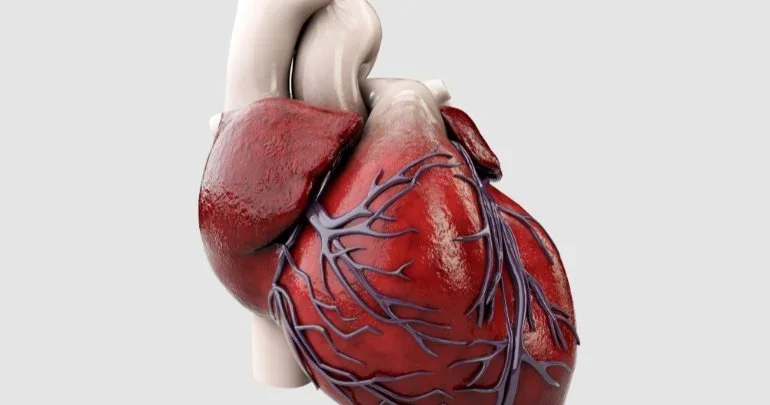
Old hearts are physiologically different. "The heart gets stiffer as we age,” said Dr. John Dodson, director of the geriatric cardiology program at NYU Langone Health. “It doesn’t fill with blood as easily. The muscles don’t relax as well.”
Age also changes the blood vessels, which can grow rigid and cause hypertension, and the nerve fibers that send electrical impulses to the heart. It affects other organs and systems that play a role in cardiovascular health, too. “After age 75 is when things accelerate,” Dr. Dodson said.
“Cardiology has been blessed with a lot of progress, research, and drug development,” said Dr. Karen Alexander, who teaches geriatric cardiology at Duke University. “The medications are better than ever, and we know how to use them better.”
From a conventional medical point of view, aging tissues get stiffer, and that is just the way life is. Fortunately, for everyone (facetiously speaking), drug companies are creating new and exciting medications that can help prolong lives.
In our craniosacral fascial world, tissues can gradually get stiffer as the fasical web tightens from a lifetime of cumulative traumas. As an example, older people do not usually move as well as younger people. Can the Gillespie Approach naturally loosen heart cells and other critical tissues to help prolong lives?
I believe that possibility exists. The fascial web connects every cell of the body, including the cardiac cells of the heart. I have seen several cases of children with heart murmurs and congenital heart defects who healed completely after therapy.
When I work with a patient, I am helping to release the full-body fascial web. Even though s(he) may present with headaches and low back pain, the entire web is freeing up.
That would include every heart cell, every organ cell, every blood vessel cell, every nerve cell, every bone cell, and so on as described in the article’s reference. I am not just pinpointing the problem areas but loosening the entire body to function better without the patient ever noticing any apparent systemic changes.
Since one area of the body can pull on another area, full-body therapy is important for a successful outcome. My goal is for all patients to be strain-free so their bodies can function optimally at any age.
I love newborn therapy since infants do not have to carry that tightness their entire lives. That and all the sequential traumas may directly determine how the heart and body function late in life.
This hypothesis makes sense to me. Being an active "Dr. Loose" at 77, I am experiencing how this theory plays out and just waiting any day for Dr. Dotson's 75-plus downward acceleration.
Gillespie Approach Training for providers may be an important key for their patients having a more active old age.