
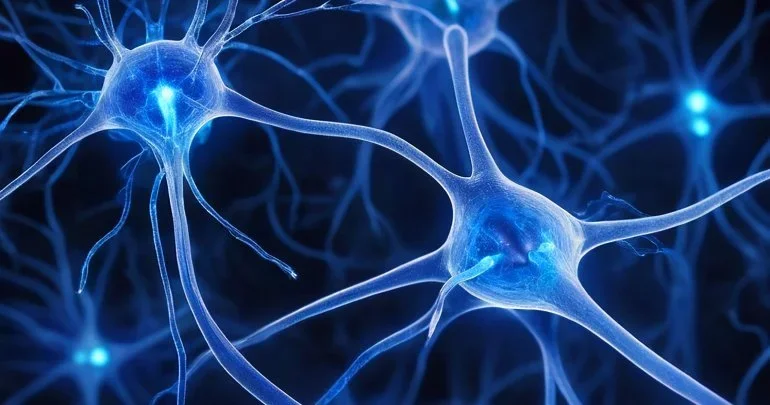
Craniosacral fascial therapy can balance the nervous system, create homeostasis, and result in happy babies.
Since the craniosacral fascial system touches every cell of the body, the function of the nervous system can be greatly enhanced with the Gillespie Approach. Strains in the web can be worked out to result in overall homeostasis.
The nervous system has two main divisions: the central nervous system (CNS) and the peripheral nervous system (PNS). The CNS deals with brain and spinal cord function. The PNS consists of the cranial and spinal nerves that innervate the body.
The peripheral nervous system is divided into the enteric nervous system (ENS), the somatic nervous system (SNS), and the autonomic nervous system (ANS). The enteric nervous system consists of nerve cells in the gastrointestinal tract that control digestion. The somatic nervous system deals with voluntary movement and sensory input. The ANS control activities done subconsciously or automatically.
We are familiar with opening the brain cycle to allow for maximum CNS cognitive function and releasing strain down the dural tube into the sacrum for optimal spinal health. Free flow of cerebrospinal fluid can nourish and detoxify the CNS—two critical factors for overall health.
The enteric nervous system, often called the "second brain” or “brain in the gut," stretches from the esophagus to the rectum. It controls digestion, absorption, movement of food, and activates the gut immune response.
As the basis of our work, the somatic nervous system deals with the flow of cerebrospinal fluid through the cranial and spinal nerve sheaths out into the fascial web. Just as the blood from the heart gives life to the body, similarly the cerebrospinal fluid flows nourishes the brain and spinal cord out into the body.
The autonomic nervous system, necessary for life, may be less familiar. Our heart beats through the autonomic nervous system; we don’t have to think about every heart beat, it just happens. Every breath we take is through the autonomic nervous system; we do not have to think about breathing, it just happens.
When we eat food, digestion happens through the autonomic nervous system; we do not have to think about digestion, it just happens. When our bladder fills up, we do not have to think about holding our urine; it just happens. The miraculous functions of the autonomic nervous system allow us to preform our daily activities without struggling to just stay alive.
The autonomic nervous system also consists of a sympathetic (fight or flight) division and a parasympathetic (rest and digest) division. Physical and emotional birth traumas can upset the peaceful parasympathetic mode originating from conception.
Fascial birth strains can affect organ systems, sphincters, and other tissues to send the autonomic nervous system into sympathetic mode. The clinical endpoint can result in a fussy baby.
The beauty of the Gillespie Approach is that the provider can access and normalize the entire nervous system directly at birth or even during infancy. This unique window of opportunity can calm, relax, and rebalance the autonomic nervous system to result in a happy baby.
This work at birth is critical to set up a potential lifetime of health and well-being. Gillespie Approach Training is needed in the toolbox of every newborn provider. Let’s use our knowledge of science to create a happier and more peaceful world.
