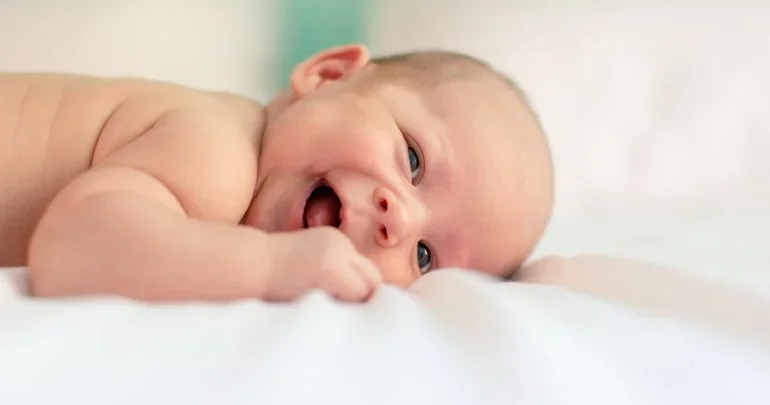
The newborn skeleton is soft and pliable to allow for easier passage through the birth canal. The 270 bones of the newborn consist of bone and cartilage. Cartilage, a structure acting as a matrix for later bone formation, has no blood supply or nerve innervation. Most cartilaginous cells or chrondrocytes calcify in infancy to become bone cells. One of our clinical goals is to work through the craniosacral fascial strain for infants with bowed legs.The power of the craniosacral fascial web is that it touches every structural cell of the body. Since birth trauma can create strain in this system, newborn CFT can best relieve this strain through the pliable cartilaginous and osseous tissues before they mature and calcify.Bones keep renewing themselves throughout life. Osteoclasts continually resorb bone cells and osteoblasts lay down new bone cells. That is why teeth can move in the jaw bones during orthodontics and bone implants can work for seniors. We also believe that “growing pains” for some children can be bones lengthening through fascial strain from birth trauma.