Gillespie Approach in orthodontic office - nurse checking patient - Gillespie Approach–Craniosacral Fascial Therapy

The Gillespie Approach in the Orthodontic Office

These are my thoughts for what the Gillespie Approach would look like in an orthodontic practice.

I believe that feeling the brain cycle would be the key add-on skill for everyone in the orthodontic office. The staff member would not have to take the time to measure the complete brain cycle, just monitor good motion vs. no motion. This professional would be monitoring the function of the craniosacral fascial system and referring to the therapist when the patient needed bodywork. 

Since therapy would take valuable time away from doing dental procedures, it would not be a practical skill for staff members. Many states also require a “license to touch” to do bodywork. In Pennsylvania, I was not allowed to do bodywork as a dentist. Consequently, I needed to attend massage school and become a licensed massage therapist.

The orthodontic staff would work closely with a Gillespie Approach therapist for the best patient outcomes. A trained mom could also help her child during the orthodontic period of care.

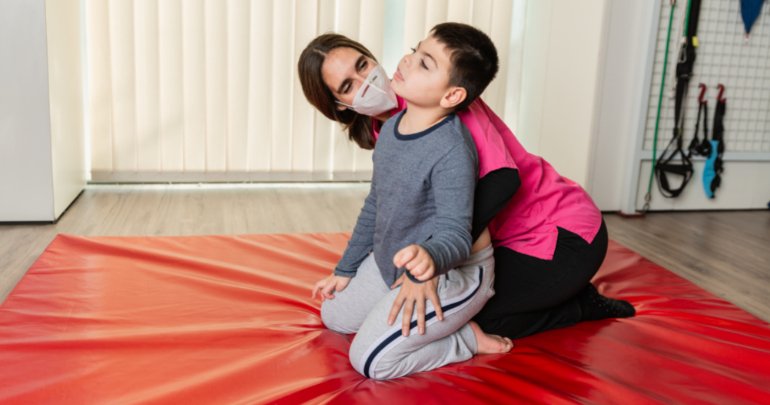
Let’s say an orthodontic patient presents for a visit. A staff member would check for brain motion. If the brain is moving well, the orthodontic adjustment would be made, and the brain cycle would be checked again before the patient leaves the office.

If the cycle goes to zero seconds, the orthodontic force has exceed the body’s capability to effectively tolerate it. The dental force needs to be lessened to retain acceptable brain motion. The worst-case scenario would be to have the patient leave the office with a zero-second brain cycle.

If the brain is not moving when the patient presents, the orthodontist would make only a small or no dental adjustment and refer the patient back to the therapist. Some modifications of this approach can be made as needed, but it is a good general guideline.

Sign up for Gillespie Approach Training Opportunities

Gillespie Approach Foundation Training is designed for students to work with children and adults.

2026 Dates:

  • January 22–24 | Melbourne, FL
  • March 19–21 | Greenville, SC
  • May 14–16 | Westfield, IN
  • June 25–27 | Bozeman, MT
  • August 6–8 | Boise, ID
  • October 1–3 | Olathe, KS
  • November 9–11 | Newtown Square, PA
  • November 12–14 | Newtown Square, PA

Gillespie Approach Infant Training is designed for students to work with infants.

2026 Dates:

  • January 25–27 | Melbourne, FL
  • March 22–24 | Greenville, SC
  • May 17–19 | Westfield, IN
  • June 28–30 | Bozeman, MT
  • August 9–11 | Boise, ID
  • October 4–6 | Olathe, KS
  • November 15–17 | Newtown Square, PA

New to Gillespie Approach–Craniosacral Fascial Therapy?

Read a collection of articles handpicked by Dr. Barry Gillespie to help you grasp core information and understand training and treatment options.

Talk About the Gillespie Approach With Our Community on the Gillespie Approach Forum

Catch Every Story! Get a Free E-book and Infographic With Your Email Newsletter Subscription

Explore Gillespie Approach–Craniosacral Fascial Therapy Articles Based on Hundreds of Health Conditions and Anatomical Regions

Enjoy Many Powerful Testimonials for Babies, Children and Adults

From fussy babies experiencing breakthroughs and children excelling in school to adults emerging triumphant over mystery health conditions, get inspired by these heartwarming and soul-stirring testimonials.

Stay up to Date on Dr. Barry Gillespie’s Latest Discoveries

Watch the Latest Gillespie Approach Videos and Check the Archive

  Translate

Get the free email newsletter, infographic and e-book How Your Fussy Baby Can Become A Happy Baby