Matching conditions and strains - Gillespie Approach–Craniosacral Fascial Therapy

Matching Conditions and Strains

Sometimes when mom is describing specific conditions, your mind can project tightness in the corresponding areas of the body.

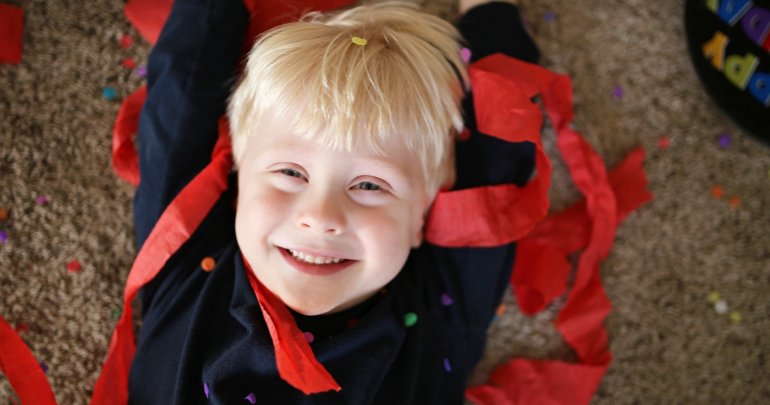
Mom presented with a four-year-old twin with various issues. As she was describing them, I was thinking of tightness in certain areas of his body.

Even though everything is connected in space and time, mom can give you helpful clues.

1. He was often tired. What four-year-old is tired all of the time? Fatigue is a classic symptom of a tight head.

He had occasional tics, another issue for a dysregulated nervous system.

If he had reached school age, I also would have heard difficulty in concentrating, focusing, and schoolwork in general.

Provider: Look for a zero-second brain cycle.

2. Bedwetting often demonstrates fascial strain affecting the urethral sphincter in the pelvic floor and the second one at the junction of the bladder and urethra. He also had low back strain.

Provider: Look for fascial strain in his pelvis, pelvic floor, and lower back.

3. He had a constant cough that was non-attributed to illness. My first thought would be a restricted diaphragm. I often see that with infants with frequent hiccups.

If you are struggling to get air, dentists may look at airway issues. Almost always missed is the function of the diaphragm, the home of optimal breathing.

Provider: Look for diaphragmatic restriction leading to throat tightness.

Many times, the patient will direct you to the problem. An astute therapist can connect the dots of their clinical presentation for a quicker good outcome.

Gillespie Approach Training is needed for healthcare providers seeing patients of all ages.

Sign up for Gillespie Approach Training Opportunities

Gillespie Approach Foundation Training is designed for students to work with children and adults.

2026 Dates:

  • January 22–24 | Melbourne, FL
  • March 19–21 | Greenville, SC
  • May 14–16 | Westfield, IN
  • June 25–27 | Bozeman, MT
  • August 6–8 | Boise, ID
  • October 1–3 | Olathe, KS
  • November 9–11 | Newtown Square, PA
  • November 12–14 | Newtown Square, PA

Gillespie Approach Infant Training is designed for students to work with infants.

2026 Dates:

  • January 25–27 | Melbourne, FL
  • March 22–24 | Greenville, SC
  • May 17–19 | Westfield, IN
  • June 28–30 | Bozeman, MT
  • August 9–11 | Boise, ID
  • October 4–6 | Olathe, KS
  • November 15–17 | Newtown Square, PA

New to Gillespie Approach–Craniosacral Fascial Therapy?

Read a collection of articles handpicked by Dr. Barry Gillespie to help you grasp core information and understand training and treatment options.

Talk About the Gillespie Approach With Our Community on the Gillespie Approach Forum

Catch Every Story! Get a Free E-book and Infographic With Your Email Newsletter Subscription

Explore Gillespie Approach–Craniosacral Fascial Therapy Articles Based on Hundreds of Health Conditions and Anatomical Regions

Enjoy Many Powerful Testimonials for Babies, Children and Adults

From fussy babies experiencing breakthroughs and children excelling in school to adults emerging triumphant over mystery health conditions, get inspired by these heartwarming and soul-stirring testimonials.

Stay up to Date on Dr. Barry Gillespie’s Latest Discoveries

Watch the Latest Gillespie Approach Videos and Check the Archive

  Translate

Get the free email newsletter, infographic and e-book How Your Fussy Baby Can Become A Happy Baby