
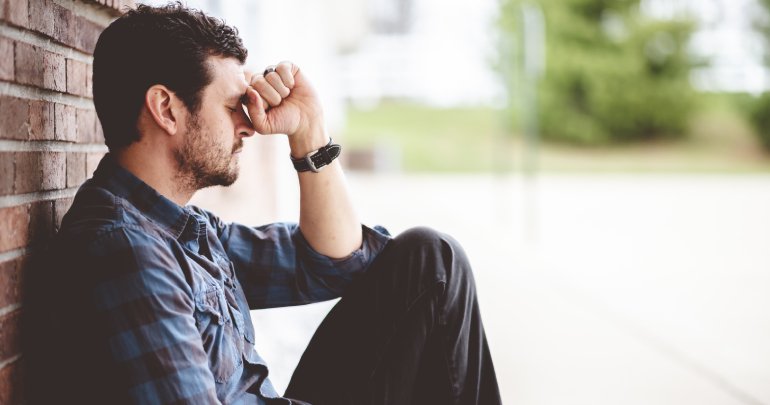

A man in his 40s presented with depression, starting soon after he fell on his sacrum. Since he had a history of three concussions in his life, he felt like he had a fourth concussion.
His medical friends told him to follow the typical concussion protocol. Months later, he had still not completely healed and wondered if he was going through a midlife crisis. His wife suggested that he consult with me.
He had a zero-second brain cycle, and his lower-body fascia was extremely tight. Since the craniosacral mechanism exists as one unit within the full-body fascial web, a hard blow to the sacrum can adversely affect brain motion. Even though he did not experience a concussion, I understand how he felt like he had one.
I have discovered that everyone can have their own unique symptoms with a zero-second brain cycle. Some people can have headaches, others can have cognitive issues, others depression, others anxiety, others with combinations, and the list goes on.
Every brain needs to expand and contract slowly to function well. Every fascial web needs to be free to work properly. The craniosacral fascial system needs to be open for health and well-being. Like the heart pumping blood through the vessels, those are universal truths.
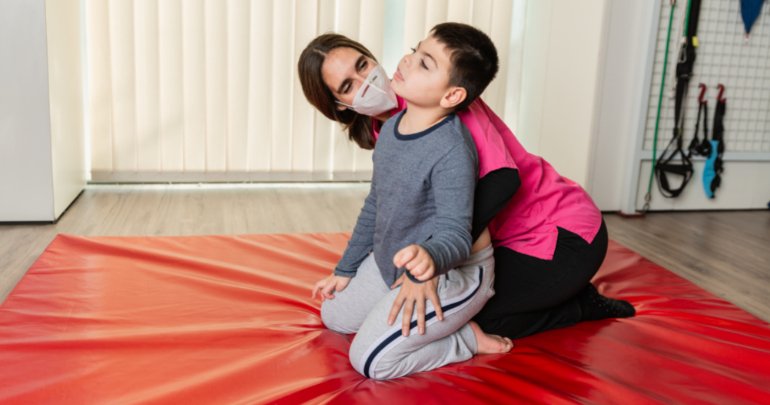
In therapy, I hypothesized that his cranial restriction probably originated from his sacral trauma. When I held both legs, I felt strain go into his pelvis and followed the fascial memory of the trauma.
When the tissue released, I went back to the cranium and felt a short brain cycle. That positive response told me the trauma from the sacrum did restrict his brain cycle.
I spent the rest of the session helping his lower body release strain, and his brain cycle opened to a fantastic 80 seconds.
I expect him to have a positive outcome with future therapy. Gillespie Approach Training can unlock the healing door for many patients.