

Working with the fascial web can make all the difference for a patient.
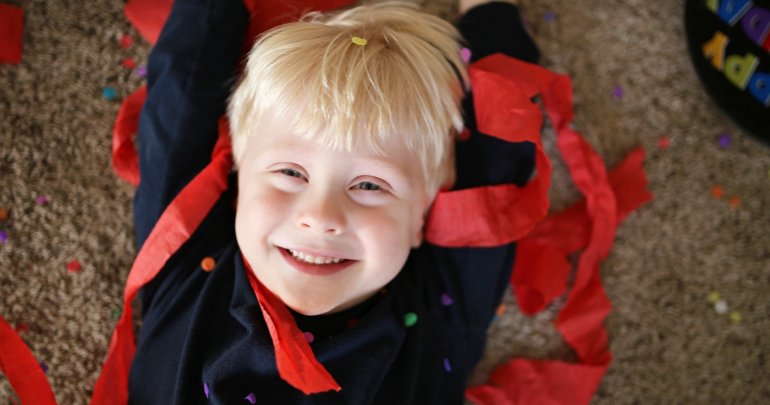
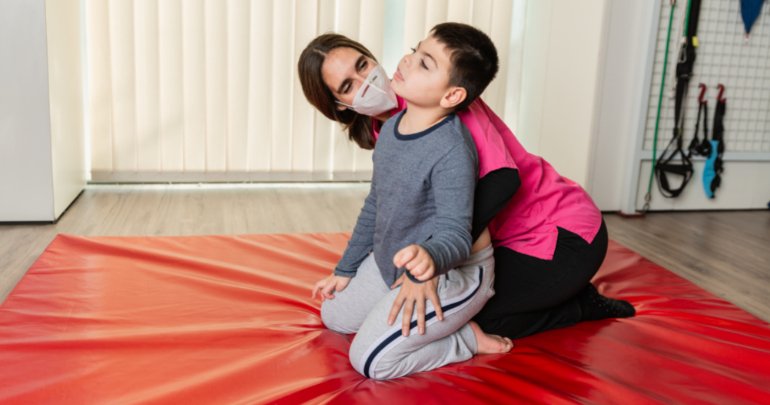
A four-year-old boy presented with a stiff painful leg. His mother said that she had to hold him sometimes because of the severe pain.
He was born via cesarean section, a fussy baby, and never able to crawl and creep. His mother said that he often received craniosacral therapy without any improvement.
He had a zero-second brain cycle and fascial strain from his left leg twisting into his trunk and extending to his neck and head. I am assuming that he was living with the effects of compressive fetal trauma.
When I held that leg, the fascial strain presented fiercely. When he started to cry, his mother reassured him that everything was fine.
The pain lessened during the sessions as his fascia gradually released its layers. Just by working the web and without touching his head, I found that his brain cycle opened to an amazing 170 seconds on the first visit.
Each cell of the craniosacral system is a part of the full-body fascial web. When the sacral fascial area releases, the cranium now can have the freedom to move, even without the provider ever touching his head.
Craniosacral therapy can be an excellent modality if minimal fascial strain is present. But if there is substantial strain, which can pull at up to 2,000 pounds per square inch, craniosacral therapy standing alone can have little or no effect.. The function of the craniosacral system is highly dependent on the function of the fascial web.
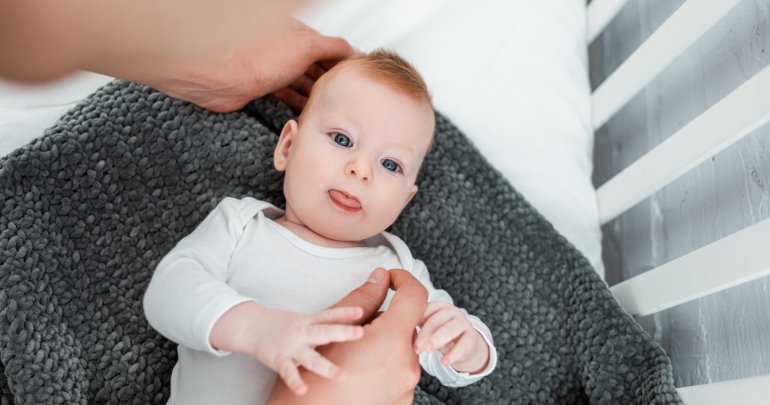
I expect him to do well with more therapy. The best course of action for this child would have been the work at birth to mitigate his soft-tissue trauma.
It is a pity that billions of people are walking the planet with untreated birth fascial strain—such needless suffering. Gillespie Approach Training is so needed for all newborn providers.