Fascial embryology - Gillespie Approach–Craniosacral Fascial Therapy

Fascial Embryology

I was asking myself, “How does the fascial web originate?” Quite honestly, I had to refresh my mind because 50-plus years have passed since my embryology class.

After fertilization, cell division in the zygote creates a ball of cells. At two weeks in the blastula stage, a wall of cells forms a sphere. Invagination then occurs in the gastrula stage, where a section of the wall is pulled in towards the center of the sphere.

This phenomenon creates the ectodermal, mesodermal, and endodermal germ cell layers, which are the forerunners of all the body parts and systems. The fascial system originates from the mesodermal and ectodermal layers.

As the embryo develops, the fascia folds on itself, forming more tissue layers. Thus, every structural cell of the body is connected in this matrix from virtually the beginning of life.

That concept fits well into our therapeutic model of humans having a complete fascial matrix from head to toe and finger to finger. All of the bones, organs, blood vessels, nerves, lymphatic vessels, et al. float in this web of tissue. The fascial tensegrity component can reflect the quality of the body’s physiology.

Any abnormal compressive strain to the fascial web during this fetal developmental stage can impair function, affecting the future quality of life. Many of our research cesarean babies exhibited sustained fetal compression, resulting in fussiness issues after birth.

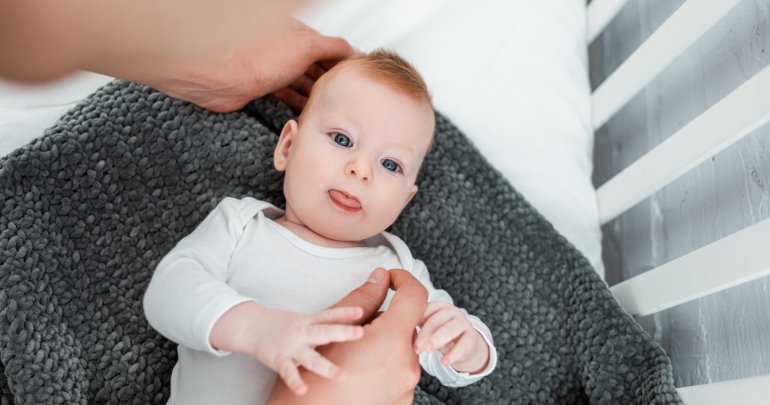
When I am working with a newborn, I totally focus on achieving the most complete freedom for her or his fascial web. From the premise that a healthy fascial matrix inherently holds all structures in place correctly, it follows that the body systems can then naturally function optimally.

Sign up for Gillespie Approach Training Opportunities

Gillespie Approach Foundation Training is designed for students to work with children and adults.

2026 Dates:

  • January 22–24 | Melbourne, FL
  • March 19–21 | Greenville, SC
  • May 14–16 | Westfield, IN
  • June 25–27 | Bozeman, MT
  • August 6–8 | Boise, ID
  • October 1–3 | Olathe, KS
  • November 9–11 | Newtown Square, PA
  • November 12–14 | Newtown Square, PA

Gillespie Approach Infant Training is designed for students to work with infants.

2026 Dates:

  • January 25–27 | Melbourne, FL
  • March 22–24 | Greenville, SC
  • May 17–19 | Westfield, IN
  • June 28–30 | Bozeman, MT
  • August 9–11 | Boise, ID
  • October 4–6 | Olathe, KS
  • November 15–17 | Newtown Square, PA

New to Gillespie Approach–Craniosacral Fascial Therapy?

Read a collection of articles handpicked by Dr. Barry Gillespie to help you grasp core information and understand training and treatment options.

Talk About the Gillespie Approach With Our Community on the Gillespie Approach Forum

Catch Every Story! Get a Free E-book and Infographic With Your Email Newsletter Subscription

Explore Gillespie Approach–Craniosacral Fascial Therapy Articles Based on Hundreds of Health Conditions and Anatomical Regions

Enjoy Many Powerful Testimonials for Babies, Children and Adults

From fussy babies experiencing breakthroughs and children excelling in school to adults emerging triumphant over mystery health conditions, get inspired by these heartwarming and soul-stirring testimonials.

Watch the Latest Gillespie Approach Videos and Check the Archive

  Translate

Get the free email newsletter, infographic and e-book How Your Fussy Baby Can Become A Happy Baby