Endocrine function, executive cognitive function, orthodontics - boy on tree - Gillespie Approach–Craniosacral Fascial Therapy

Endocrine Function, Executive Cognitive Function, and Orthodontics

What do endocrine function, executive cognitive function, and orthodontics all have in common?

Answer: The function of the craniosacral fascial system.

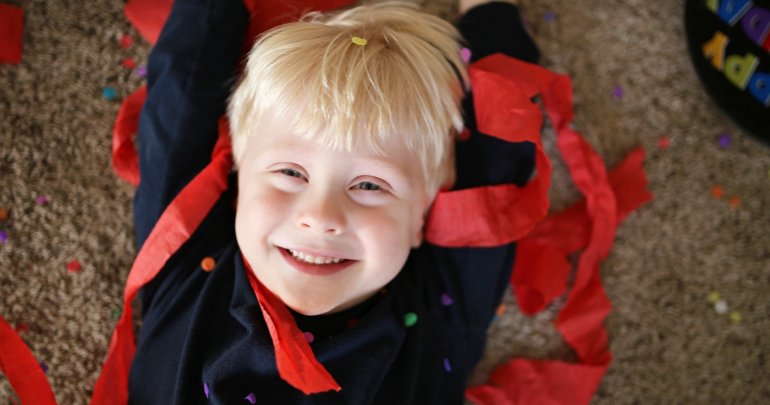
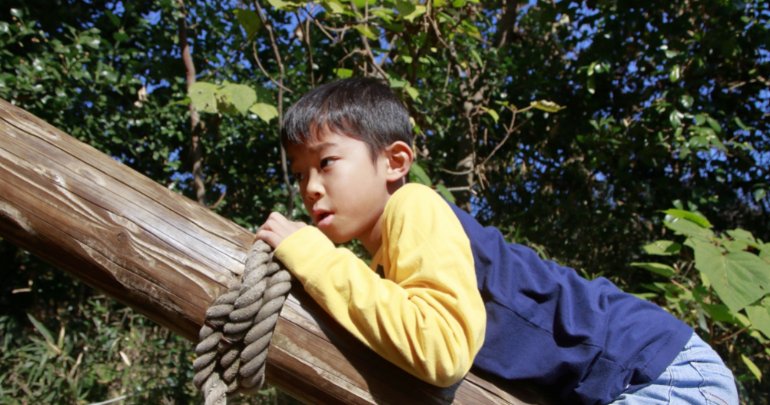
A nine-year-old boy presented with an endocrine problem and executive functional issues. His mother said he also had difficulty focusing and concentrating along with some headaches and an ADHD tendency.

He was taking hydrocortisone to help balance his endocrine system. He had a history of adenoid removal, indicating a possible breathing and airway problem.

He had a zero-second brain cycle and was in active conventional orthodontics. He exhibited puffiness of the gums around his upper front teeth—a sign of mouth breathing. This made sense because he had his adenoids removed.

He was doing OK in school, but his teacher felt that he could do much better. He had a lot of pressure in his frontal cortex area and his frontal bone was out of position—a harbinger for potential executive functional issues.

With a zero-second brain cycle, the cranial osteopaths taught me that the dural sheath can put pressure on the stalk of the pituitary gland. As a result, the hormones and signals from the hypothalamus may not reach that gland and inhibit its function.

Virtually everyone views orthodontics as just straightening teeth and creating a good bite. But in my world, it is so much more. Orthodontics has a direct effect on the function of the craniosacral fascial system, which can have far-reaching ramifications in bodily function.

My suggestion is that dentistry needs to look outside of the mouth to get the big picture. This concept has been something that I have been preaching to my colleagues for almost 50 years. I am just hoping for the day when the profession wakes up to reality.

Sign up for Gillespie Approach Training Opportunities

Gillespie Approach Foundation Training is designed for students to work with children and adults.

2026 Dates:

  • January 22–24 | Melbourne, FL
  • March 19–21 | Greenville, SC
  • May 14–16 | Westfield, IN
  • June 25–27 | Bozeman, MT
  • August 6–8 | Boise, ID
  • October 1–3 | Olathe, KS
  • November 9–11 | Newtown Square, PA
  • November 12–14 | Newtown Square, PA

Gillespie Approach Infant Training is designed for students to work with infants.

2026 Dates:

  • January 25–27 | Melbourne, FL
  • March 22–24 | Greenville, SC
  • May 17–19 | Westfield, IN
  • June 28–30 | Bozeman, MT
  • August 9–11 | Boise, ID
  • October 4–6 | Olathe, KS
  • November 15–17 | Newtown Square, PA

New to Gillespie Approach–Craniosacral Fascial Therapy?

Read a collection of articles handpicked by Dr. Barry Gillespie to help you grasp core information and understand training and treatment options.

Talk About the Gillespie Approach With Our Community on the Gillespie Approach Forum

Catch Every Story! Get a Free E-book and Infographic With Your Email Newsletter Subscription

Explore Gillespie Approach–Craniosacral Fascial Therapy Articles Based on Hundreds of Health Conditions and Anatomical Regions

Enjoy Many Powerful Testimonials for Babies, Children and Adults

From fussy babies experiencing breakthroughs and children excelling in school to adults emerging triumphant over mystery health conditions, get inspired by these heartwarming and soul-stirring testimonials.

Stay up to Date on Dr. Barry Gillespie’s Latest Discoveries

Watch the Latest Gillespie Approach Videos and Check the Archive

  Translate

Get the free email newsletter, infographic and e-book How Your Fussy Baby Can Become A Happy Baby