

In a recent post, Krissy Myers described a four- to six-week lag for many babies before showing their symptoms, or conditions. For years in our infant research, we have been wondering why that happens. In our discoveries we would continually see something repeat itself for a condition like stridor or pyloric stenosis many times, and we attempted to create a model with the most sensible medical explanation.
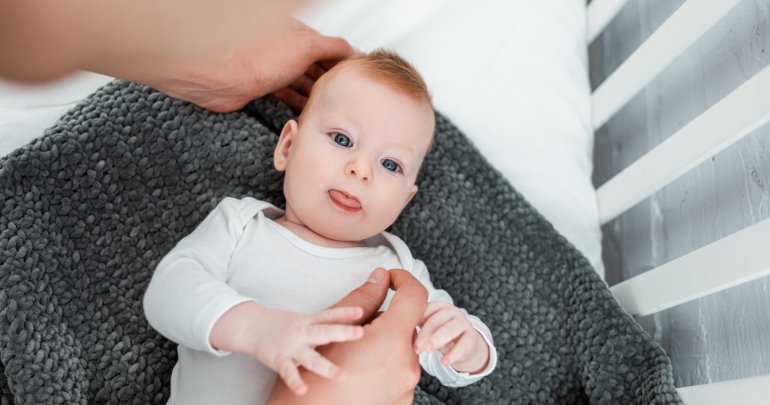
In this case we know that the body is always in a state of healing or self-repair, even if we are close to death. Let’s say you were born with some birth trauma, but were able to heal it yourself in the first few weeks. You crawled from your mother’s belly to nurse on her breast. You stretched and moved naturally in a way to release the strain to open your craniosacral fascial system. This may be true for many babies with incipient or even moderate strain. They may be able to do pretty well without CFT/IDM.
But let’s say you were born with severe strain and in the first few weeks your body tried to release/heal itself and could not. There may be an unknown system in the body which allows it to stay in balance, or homeostasis, for four to six weeks. Then, if the strain is not released, the underlying issues of colic, reflux, constipation, etc. manifest. At this point, you need an other person to help you free up your body with CFT/IDM or it may further adapt and compensate for your lifetime.
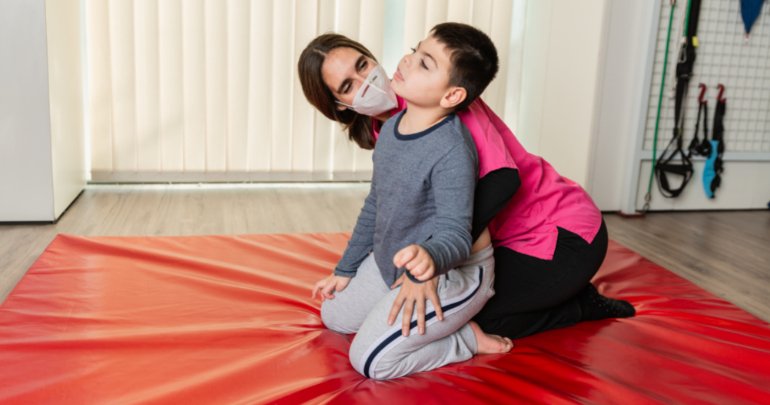
Kristen Kercher Myers I wondered if it is a defense mechanism of the body where the body innately knows what is priority in the healing process. Example: We see children who come for CFT shortly after a tooth extraction. Their fascial system is quiet and there is very little to work on. Four to eight weeks later, we recheck them and their fascia is tight and unwinding specific to the dental “trauma.” It seems like the body is saying that releasing the facial system is secondary to healing the wound from the tooth extraction. It would seem that the same would apply to an infant after he/she just went through the process of being born.