

People often ask me how craniosacral fascial therapy (CFT) is different from craniosacral therapy (CST). This story exemplifies the distinction.
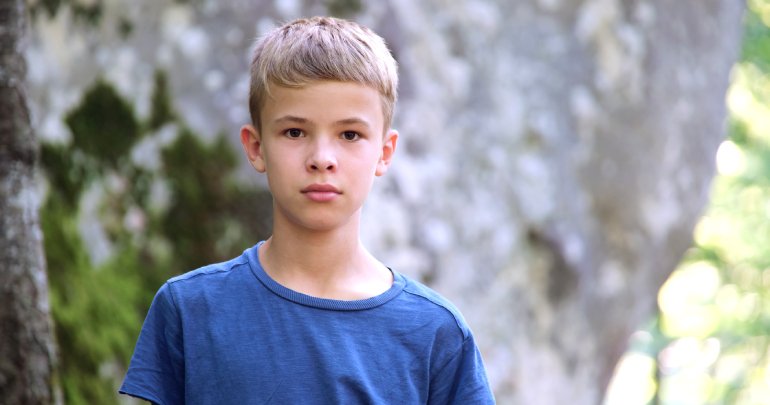
A thirteen-year-old boy presented with headaches. He has had at least four concussions in his life. I was expecting sports injuries, but his parents said he was just clumsy, even as a toddler.
He had a long hard labor and was a very unhappy baby. Mom questioned why her nine other children grew up fine while this child had noticeable difficulties.
When he first learned to walk, he was tight in his hips and could not move freely. While falling down, he could not catch himself with his arms and fell directly on his head.
There were many unseen blows, and they were aware of four concussions. When he later developed behavioral ADHD issues, the parents did not want to give him drugs and instead wanted to find the root cause of his problem.
He had unsuccessfully seen four craniosacral professionals, including two respected cranial osteopathic physicians in the area. I saw that his fascial web was very tight in his hips and upper body.
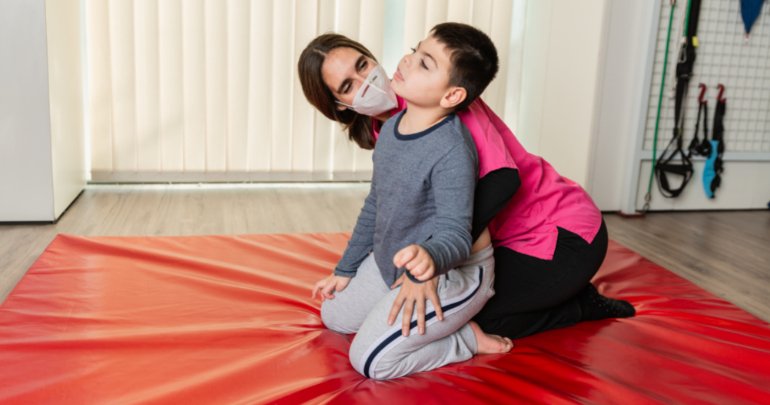
When I helped to free up his hip fascia, his brain cycle opened nicely. When he started to release his trunk and neck arching and twisting fascial strains, his brain cycle opened to 90 seconds at the end of the first visit.
I believe that the other professionals had failed because they did not realize that his tight fascial web was restricting his craniosacral system. A provider can work this system until the cows come home, and it still will not respond optimally.
The craniosacral system and fascial web are not separate entities. The complete craniosacral fascial system needs to be treated for a successful outcome.
The goal for this boy would have been for a provider to treat his entire system at birth to have prevented his current situation. Gillespie Approach Training is a must for all neonatal providers.