

This work is so interesting. A toddler presented for a visit after two separate traumas. The first injury was a direct blow to her maxillary and nasal areas. The second trauma was a fall down the stairs, while hitting her forehead many times. I originally had done ten visits from birth to relieve many strains, resulting in a happy baby with a 200-plus-second brain cycle.
On evaluation she had some neck strain with a diminished 60-second brain cycle. Since the average brain cycle in America is around ten seconds, most people would feel OK with that cycle. But her parents noticed a distinct difference in her behavior.
I have found in my career that if a trauma partially restricts your great brain cycle, you can be “off.” Conversely, if you have a zero-second or low brain cycle to begin with, you will probably not notice any cognitive differences with any trauma.
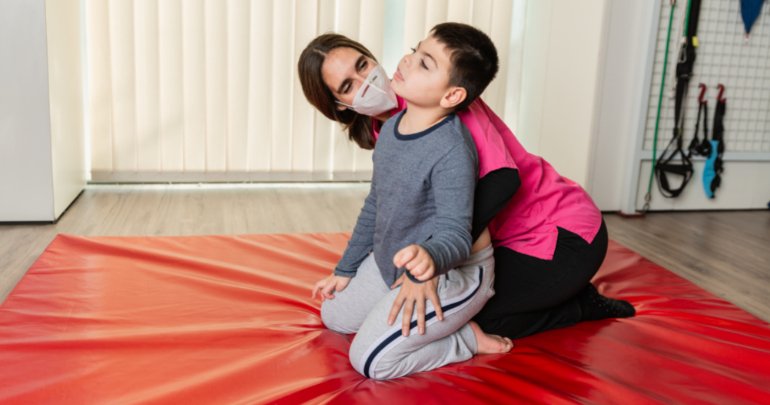
In looking at our space-time model for authentic healing, we need to revisit each trauma for the fascial web to remember and heal it. For the blow to her face, I held the back of her neck, and her dad held her face at the same time. As we connected the dots in space and time, her neck arched for four sessions for complete release.
For the stairs accident, I held the back of her neck and dad held her forehead to revisit that injury in space and time. A separate strain down her throat easily released after two sessions. Interesting, one injury was affecting her dorsal surface and the other her ventral surface. Upon completion, her brain cycle returned to 200-plus seconds.
In a perfect world all children would be checked after these traumas. A great brain cycle is important to keep the craniosacral fascial system functioning optimally.
Birth trauma causing fascial strain and subsequent disease is fresh thinking that may question ingrained conventional wisdom, challenge widespread medical assumptions, and confront entrenched vested interests.